What it is
Your nervous system is the body's communication network. It constantly scans for safety and signs of pressure, then adjusts your heart rate, breathing, muscle tension and focus. When demands pile up, it can stay in a revved-up or shut-down state longer than feels helpful.
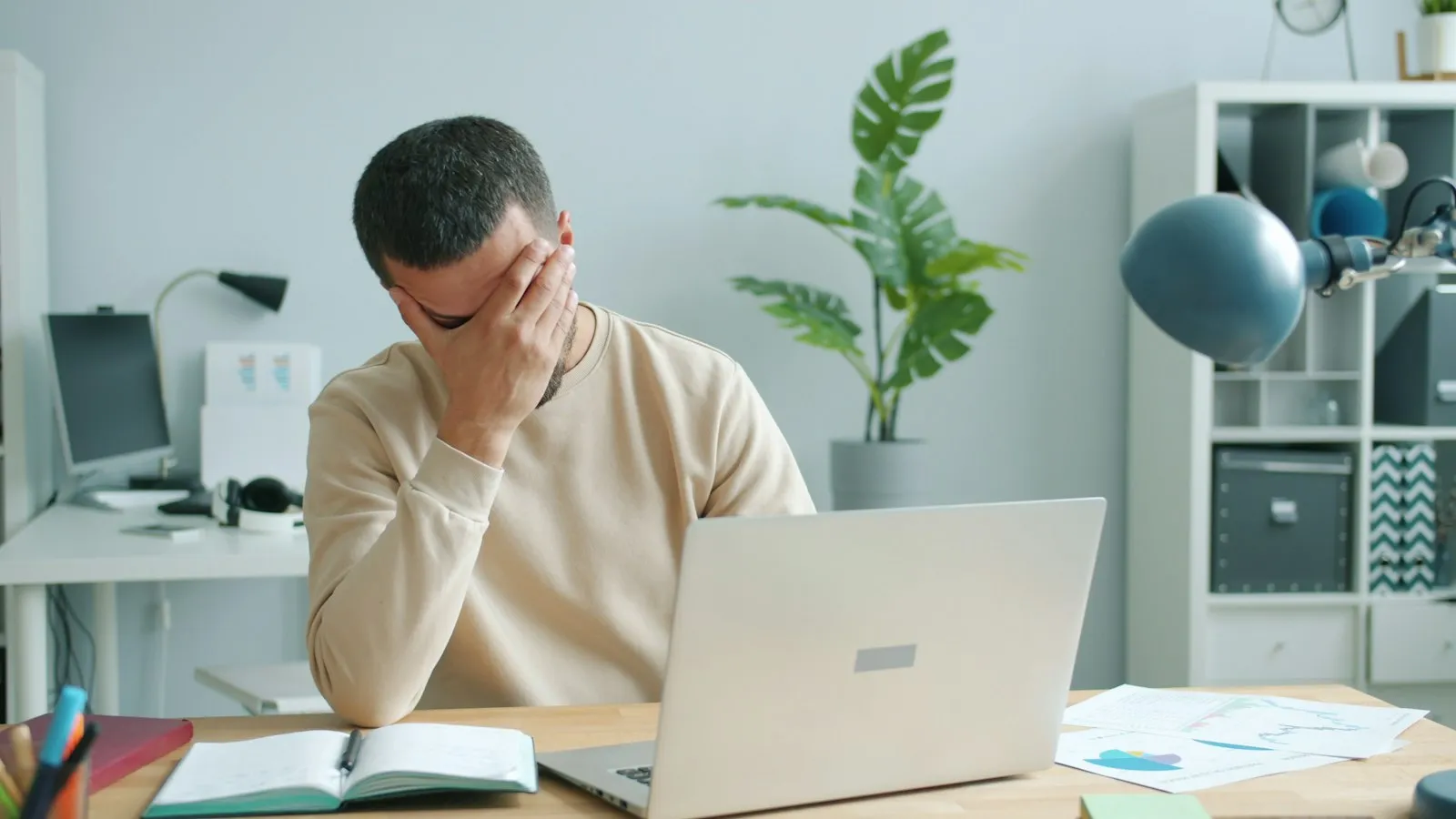
Nervous system regulation is a general term for the ways people help their bodies settle after stress and return to a more balanced rhythm. It is about building awareness of how stress shows up in your body, such as a tight jaw, shallow breathing, restlessness or exhaustion, and learning ways to respond to it.
It is not about eliminating stress, which is a normal part of running a business. Think of it as becoming more flexible, so you can handle a busy season and then recover from it. Many people find it helpful to learn this alongside a partner, since stress in one person often affects the other.
How it’s traditionally been approached
People have long used calming practices such as slow breathing, gentle movement, stretching, time outdoors, restful sleep routines and quiet moments to help the body settle. Many cultures have their own traditions of meditation, prayer, walking or time with loved ones.
In more recent years, many people have turned to professionals who work with the body and mind together. These include somatic and stress-recovery practitioners, mindfulness teachers, and licensed therapists. Each tends to have its own style, and different approaches suit different people.
Couples who work together have often relied on simple habits, like setting work hours, taking real breaks, and having honest check-ins. None of these is the one right way. What works best often depends on your personality, your schedule and your relationship.
How the right member business may help
The right provider MAY help you notice your stress patterns, understand what your body is telling you, and explore practical ways to feel steadier. A somatic or stress-recovery practitioner often focuses on body awareness and calming skills. A licensed couples therapist or counselor can help partners talk through how stress is affecting the relationship.
A first visit is generally a conversation. You can expect questions about what you are experiencing, what your days look like, and what you hope will change. A good provider will explain their approach in plain language, go at your pace, and never pressure you.
Helpful questions to ask include: What is your training and background? What does a typical session look like? How do you work with people who run a business or work with a partner? How will we know whether this is helping? If you are looking for relationship support, ask whether the provider is a licensed therapist. Creating a free XO Business account can help you explore member businesses and compare options.
The bigger picture
Chronic stress rarely stays in one place. It can show up as poor sleep, low energy, irritability, difficulty focusing, or less patience and warmth with the people you love. For couples in business together, this can spill into closeness, affection and time together, because it is hard to feel connected when both of you are running on empty. Caring for your nervous system is one way of caring for your relationship and your overall wellbeing.
It also touches your finances and peace of mind. Feeling calmer may help you make clearer decisions and enjoy the business you have built. If you are a provider or caregiver yourself, Providers.plus may offer helpful resources for your own balance. And if you are growing your business, a tool like contacts.plus, with digital business cards and referrals, can help you network without adding to your load.
Keep in mind
- This page is educational only. It is not therapy, medical, legal, tax or financial advice, and it is not a substitute for a licensed professional.
- If stress comes with persistent low mood, anxiety, thoughts of self-harm, or physical symptoms that worry you, please talk with a doctor or licensed therapist. In the US, you can call or text the 988 Lifeline at any time.
- If a relationship involves fear, control, threats or abuse, that is not a communication problem and it is not a stress problem. Please contact the National Domestic Violence Hotline, or call 911 in an emergency. Couples work or coaching is not the right path for an abusive situation.
- For questions about business ownership, agreements, divorce or taxes, speak with an attorney or CPA. XO Business is an independent directory and does not guarantee any outcome.
Take the next step
- Nervous system regulation — Somatic Experiences ↗Body-based ways to come down from a stressful workday.
- Anxiety & stress — Therapists.plus ↗Talk therapy with a licensed therapist.
- Depression & mood — Therapists.plus ↗
- Helping with burnout — Relationships.plus ↗
Not sure where to start? Answer a few gentle questions and choose who you’d like to hear from.
Main sponsor: contacts.plus →Frequently asked questions
What is nervous system regulation for stress?
Nervous system regulation for stress is the process of helping your body shift out of a tense, alert state and back toward calm and balance. It often involves noticing how stress feels in your body and using calming practices or professional support. It does not remove stress, but it may help you recover from it more easily.
How do I know if my nervous system is stressed?
Common signs people notice include trouble sleeping, tight muscles, shallow breathing, feeling on edge, being easily overwhelmed, or feeling worn out and numb. These signs can have many causes, so it is worth checking in with a doctor or licensed therapist if they persist or worry you.
What are simple ways to calm the nervous system?
Many people find slow, steady breathing, a short walk, gentle stretching, time outdoors, regular rest and quiet breaks helpful. A somatic or stress-recovery practitioner can help you find what suits you. This is general education, not a treatment plan.
Can couples work on nervous system regulation together?
Yes, many couples find it helpful to learn about stress together. Shared breaks, honest check-ins and clear work boundaries can support both partners. A licensed couples therapist can also help you talk through how stress is affecting your relationship.
Who can help with nervous system regulation?
Somatic and stress-recovery practitioners, mindfulness teachers and licensed therapists are among the professionals people turn to. Each has a different style and training, so ask about their background and approach. You can browse member businesses by creating a free XO Business account.
Is stress affecting our relationship a sign we need couples therapy?
Not necessarily, but couples therapy or counseling may help if stress is creating distance, frequent conflict or less closeness. A licensed therapist can help you decide what fits. If there is fear, control or abuse in the relationship, please contact the National Domestic Violence Hotline instead, or 911 in an emergency.
Educational resource. XO Business shares general information and connects people with independent member businesses. It is not professional advice. Talk with a qualified professional about your own situation.